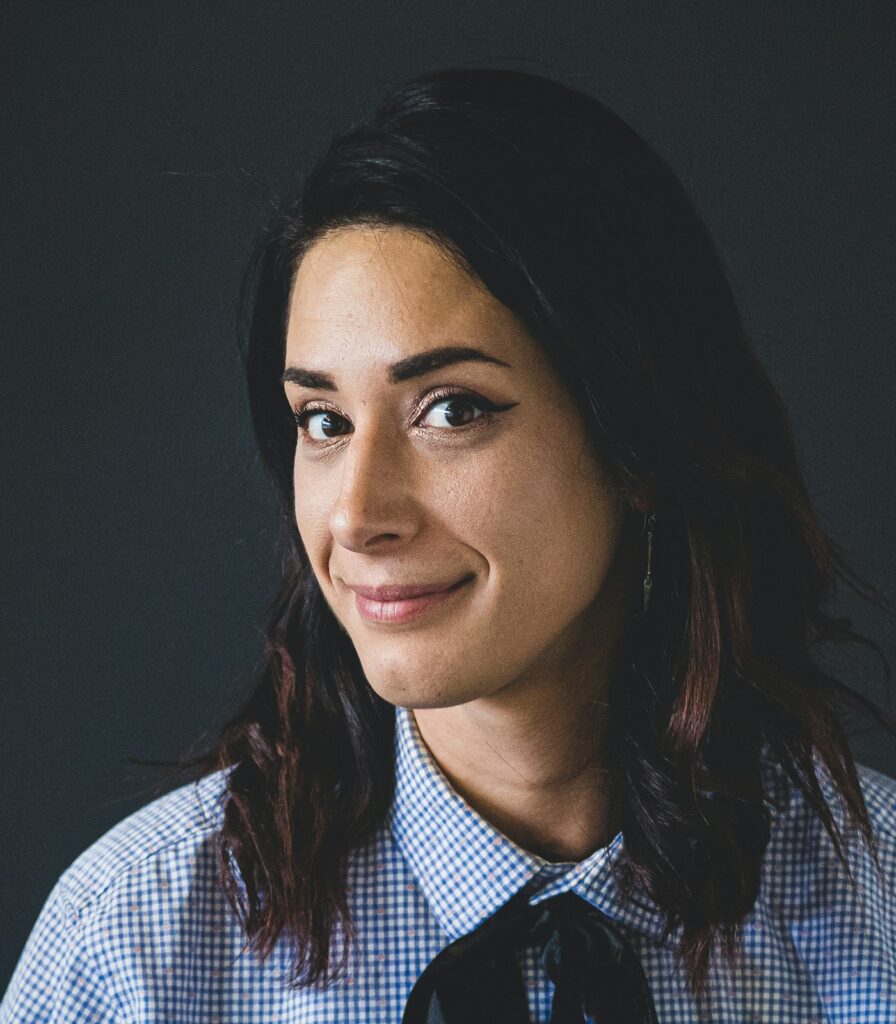
I am Elena, I am 35, and I am Greek-Cypriot. My family came to London from Larnaca when I was small, and I grew up in north London surrounded by aunties, big Sunday lunches and strong opinions. I work as a pharmacist in north London. Yes, a pharmacist. I know the science of HIV treatment better than most people, and I still believed nobody would want me after my diagnosis.
I was diagnosed after a relationship ended. It was a shock, even with everything I knew. My clinic were excellent. I started treatment quickly, the side effects were minimal, and within a few months my viral load was undetectable. On paper I understood exactly what that meant: U=U, undetectable equals untransmittable. If your viral load stays undetectable on treatment, you cannot pass HIV on through sex. I had explained versions of that to customers at the counter. But it is one thing to know it, and another to believe that someone will look at you and still see a whole person.
A year of not even trying
For a year I did not date at all. I told friends I was focusing on work, which was partly true. Really, I was hiding. I had imagined every possible bad reaction so many times that it felt easier not to risk any of them. In my family there is a lot of talk about who is marrying whom, and I would sit at those Sunday lunches feeling like a door had quietly closed.
What changed things was a conversation with my peer mentor at the clinic, a woman in her fifties who had been living with HIV for over twenty years and had been married twice. She laughed, kindly, when I said my love life was over. She said, “You’re not broken. You just have one more thing to talk about than most people.”
My two rules
So I tried the apps again. I made two rules for myself. The first was not to mention HIV until I actually liked someone. I did not owe my medical history to every man who sent me a wave emoji. Who I tell, and when, is my choice. The second rule was that when I did tell someone, I would say it calmly, with facts, in the same voice I would use to talk about anything else important.
I did not owe my medical history to every man who sent me a wave emoji.
The first man I told unmatched me within minutes. We had been chatting for about a week and had planned a date. I sent a careful message, explaining that I was living with HIV, that I was on treatment and undetectable, and that this meant I could not pass it on. I watched the screen. Then the conversation simply vanished.
It stung. I would be lying if I said it did not. I cried a bit, then I texted my best friend, then I ate an entire tub of ice cream on the sofa. But underneath the hurt, there was something else. He had told me something important about himself, very quickly, and it saved me a lot of time.
The second man I told was different. I told him in person, on our second date, in a quiet corner of a pub in Highgate. He went quiet, then asked lots of questions. Some of them were clumsy, and I answered them anyway. He asked if he could go away and read about it. A few days later he messaged me and said, “So basically you’re safer than most people I’ve dated.” I laughed so hard I had to put the phone down.
Ordinary endings, new beginnings
We were together for a year. He came to a family christening, he met my mum, we went to Cyprus together one summer. It did not work out in the end, for completely ordinary reasons that had nothing to do with HIV. We wanted different things. It hurt the way any breakup hurts, and I realised that was actually a sign of progress. My diagnosis was not the story of that relationship. It was just a detail in it.
I am seeing someone new now. I told him on our third date, walking back from dinner along the canal. I had my little speech ready. He listened all the way through, then said, “Thank you for trusting me with that.” Then he asked whether I wanted to get dessert.
That is what I look for now. Not someone who ignores it, or pretends it is not there, but someone who can hear it and stay steady. The right people care far more about honesty than about a diagnosis.
If you have recently been diagnosed and you think your love life is over, I understand that feeling completely. But dating with HIV is still dating. There will be awkward moments and disappointments, the same as for anyone. There will also be people who surprise you. Take your time, learn the facts so you can share them, and let the people who cannot cope go. They are not your people.