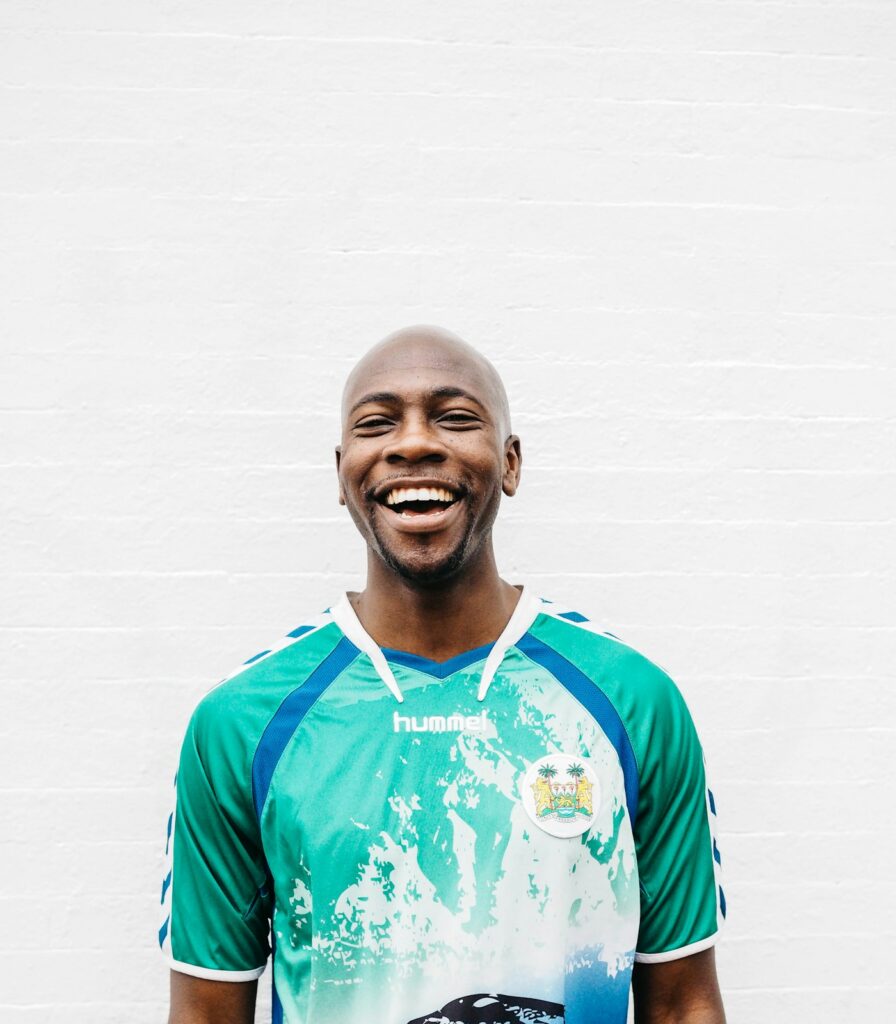
I am Kwame, originally from Ghana, and I have lived in Birmingham for nearly twenty years. I came over in my early twenties with one suitcase and a cousin’s phone number written on the back of an envelope. Since then I have worked in warehouses, driven delivery vans and, for the last eight years, done long shifts at a distribution centre near the motorway. I send money home every month. My mother’s roof, my nephew’s school fees, my sister’s shop – a lot of it came out of my pay packet, and I am proud of that.
For a long time I believed I was too busy to be ill. That was the joke I made to my brothers, and I half believed it. If I had a headache I took paracetamol and went to work. If I was tired I drank strong tea. Doctors were for emergencies, and HIV was something that happened to other people. Back home, when I was growing up, it was talked about like a curse – the man who got thin and disappeared, the family who stopped going to church. Nobody I knew in Birmingham ever mentioned it. I never thought to test, and nobody ever asked me to.
The cough that would not leave
In 2022, when I was 41, I got a cough. At first I thought it was a cold from the cold warehouse. Then it was still there after three weeks, and then after five. I was sweating at night so badly I had to change the sheets. I lost weight without trying. My flatmate kept telling me to see someone, and I kept saying next week.
By the time I went to A&E I could barely climb the stairs to our flat. I remember sitting on the third step, breathing like an old man, thinking how stupid this was. In the hospital they did an X-ray and told me it was pneumonia, quite a serious one. They put me on a drip and an oxygen mask, and the noise of the machines kept me awake all night.
The next morning a young doctor came round with a clipboard. She asked about my blood pressure, whether I smoked, whether I had diabetes in the family. Then, in exactly the same voice, she asked if I would agree to an HIV test. No big pause, no strange look. I said yes because I was too tired to argue. Two days later she came back with a nurse and closed the curtain, and I knew before she said it. It was positive.
Testing would have taken twenty minutes. Instead I waited until my body forced the question.
The first month on the ward
The first month was hard. My CD4 count – the cells that fight infection – was very low, which meant HIV had been quietly damaging my immune system for years. I was on strong antibiotics for the pneumonia as well as starting HIV medication. Some days I felt sick and dizzy and could not tell which tablet was to blame. The doctors adjusted things carefully and explained every change.
What I did not expect was how kind the HIV team would be. A consultant and a specialist nurse visited me on the ward and spoke to me like a person, not a problem. They drew me a little diagram of the virus and the medicine. They told me something I did not believe at first: that treatment works at any stage, even when you are diagnosed late, and that people with HIV on treatment now have a near-normal life expectancy. The nurse also put me in touch with a peer mentor from a local HIV charity, a man not much older than me who had been diagnosed in a similar way. He came to see me in his work clothes and told me his story. That visit did more for me than any leaflet.
After I was discharged I went to the HIV clinic every few weeks for blood tests. They checked my viral load – how much virus is in the blood – and my CD4. Each time the viral load came down. Within six months it was undetectable. My CD4 has climbed slowly since then, and I have not had a serious infection again.
Talking to my brothers
What still hurts is knowing I could have found out years earlier. The clinic told me, gently, that I had probably been living with HIV for a long time. I think about all the occasions when I could have walked into a sexual health clinic or ordered a free postal kit. I did not, because I felt fine, and because I believed I was not the type.
I have told two of my brothers, both of them here in the UK. I chose to tell them because they are the same as me – hard workers, never see a doctor, think they are made of iron. One laughed it off and changed the subject to football. The other was quiet on the phone, and the next week he sent me a message: he had booked a test. His result was negative, and he told me he would test every year now. That is enough for me to keep talking.
Now my life is very ordinary again. It is one tablet a day, taken with my evening meal, and a clinic visit a few times a year. I am back at work. I still send money home. I have not told my mother – maybe one day, maybe not – but I am alive to keep sending it, and that matters.
If you are reading this and you are like me, please do not wait until you are lying on a hospital trolley. You do not need symptoms to test. The clinics are free and confidential, and the kits come in plain packaging. I wish I had tested ten years earlier. You can test this month.