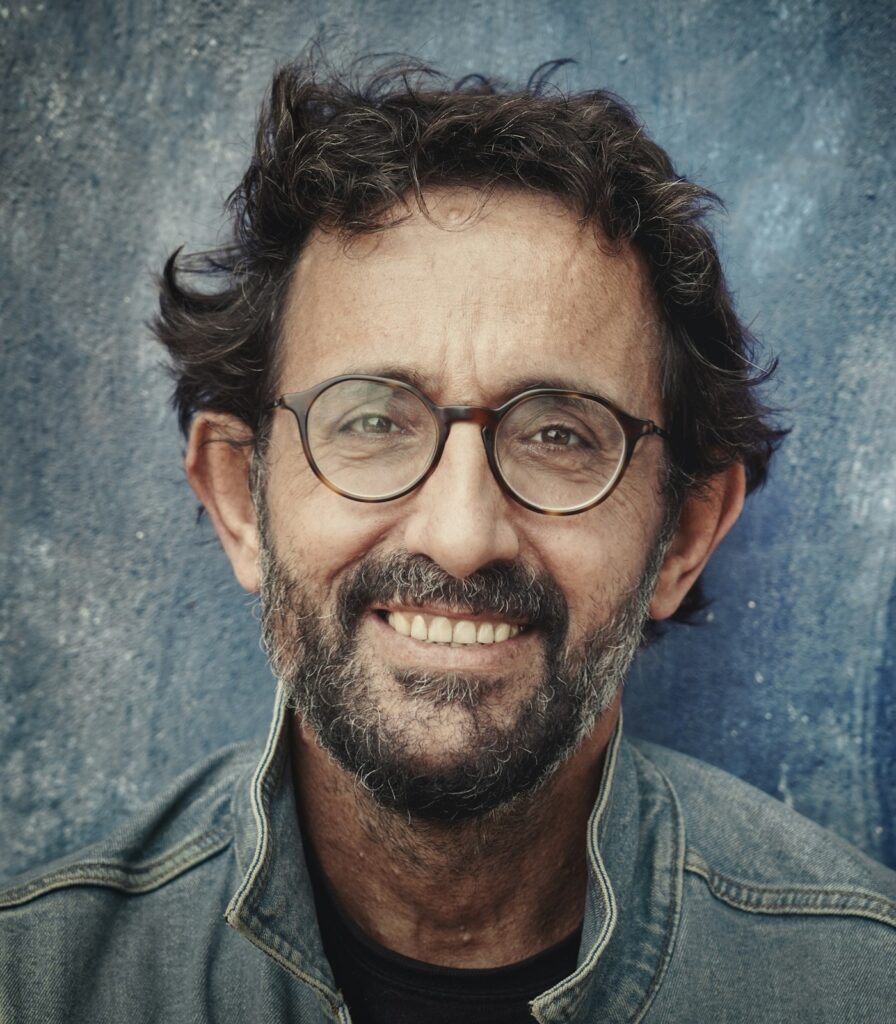
I am Farid. I am 58, I was born in Iran, and for the last twenty-six years I have run a small grocery shop in Cardiff. Saffron, dried limes, pistachios, the good rice that people drive across the city for. My wife, Shirin, worked beside me at the till for most of those years. We were married for thirty years. She died four years ago, after an illness that took her faster than any of us expected.
For a long time after that, I did not think about anything except getting up, opening the shutters and closing them again at night. My daughter worried about me. My friends at the mosque worried about me. Last year one of my oldest friends, a man who has known me since we both arrived in Wales, sat me down with a cup of tea and told me, quite firmly, that Shirin would not have wanted me to live like a ghost. He persuaded me to let him introduce me to people. Then, to my great embarrassment, he helped me set up a profile on a dating app.
Realising how little I knew
I met a woman called Leila. She is a retired teacher, widowed like me, funny and clever and much more organised than I am. We went for walks in Roath Park and long dinners, and after a few months things became more serious between us.
That was when I realised I knew nothing. Truly nothing. The last time I had to think about condoms, there were no smartphones. I married young and I was faithful. Sexual health was something I thought belonged to young people, or to other kinds of people. What I knew about HIV came from the frightening television adverts of the 1980s and from rumours. I had never had an HIV test in my life. It had simply never occurred to me that it was something a man like me should do.
Leila was the one who raised it, gently, over coffee. She said her niece, who is a nurse, had told her that people our age should get checked before a new relationship, the same as anyone. I nodded as if I already knew this. Then I went home and searched online for the sexual health clinic in Cardiff and sat looking at the booking page for a long time.
The waiting room
I felt foolish booking an appointment at my age. I told nobody, not even my daughter. On the morning itself I put on a good shirt, as if I was going to the bank, and parked two streets away in case a customer saw my car.
In the waiting room there was a man older than me, with a newspaper, and two students who looked about the age of my grandson. Nobody looked at anybody. There was a television showing the weather with the sound off, and a rack of leaflets I pretended not to read. My heart was beating as if I were sitting an exam.
The nurse called my first name only. She was a young woman with a calm voice, and she did not once make me feel ridiculous. She asked about my general health, my blood pressure tablets, whether I had been with anyone since my wife. She explained each test before she did it: a blood sample for HIV and syphilis, a urine sample for the others. She told me the HIV test they used in the lab was very accurate and that, if I had any recent risk, there was a window of a few weeks before a test could be fully relied on. I had not, so that did not worry me.
At the end she put a handful of condoms in a paper bag and handed them over with a smile, as easily as I would give a customer their change. I laughed out loud, which broke the tension for both of us.
I had spent thirty years thinking this was a world for other people. It turned out to be a world for anyone who cares about themselves and the person they love.
A few days later a text arrived. All my results were negative. The nurse had told me to come back whenever I had a new partner, or if anything changed, and that people over fifty often miss out because nobody thinks to tell them. I remember standing in the stockroom reading the message twice, feeling a strange mixture of relief and something like pride.
Our romantic trip
When I told Leila I had been, she was delighted, and a little amused that I had worn a good shirt. The next time, we went together. She had her own tests and I had my routine check, and afterwards we went for lunch in the city centre.
It became a sort of joke between us — our “romantic” trip to the clinic. She teases me that other couples go to Paris. But underneath the joke it means something real. It is a way of saying: we take care of each other. We talk about these things now without blushing, which I never imagined I would do at my age.
I have since told my friend at the mosque, the one who started all of this. He went very quiet, and then asked me where the clinic was. I think he has a lady friend he has not told me about.
If you are older and starting again, please do not let embarrassment stop you. The staff have seen everything. Nobody in that waiting room cared why I was there. Book the appointment, wear your good shirt if it helps, and go.