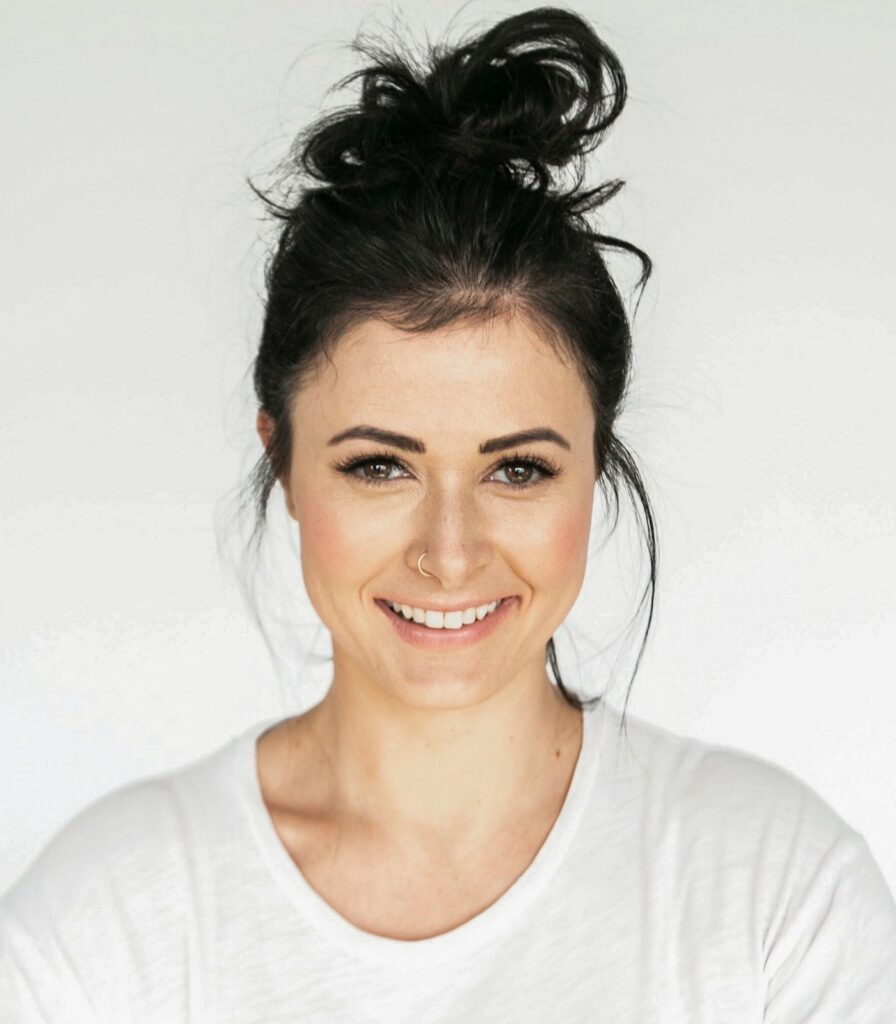
I am Natalia, I am 30, and I am a graphic designer in Brighton. I work for a small studio doing branding and packaging, and I love the sea, live music and very strong coffee. Before my diagnosis, I would have described myself as the sociable one in my group, the person who organised the birthday dinners and remembered everyone’s partners’ names.
I was diagnosed with HIV two years ago after a routine screen. I had no symptoms at all. I went to the sexual health clinic because a friend was going, and I thought I might as well get checked too. I had never thought of myself as at risk. When the health adviser called me back in and closed the door, I remember noticing the clock on the wall had stopped, and thinking how strange it was that nobody had changed the battery.
Everything looked perfect on paper
Medically, everything went well, almost unbelievably well. I started treatment within a couple of weeks. My clinic explained it all clearly: one tablet a day, regular blood tests to check my viral load and CD4 count, and the aim of getting my viral load undetectable, which would mean I could not pass HIV on through sex. I had some mild headaches at first and some vivid dreams, and then nothing.
I was undetectable within four months. My consultant was delighted. At every appointment she would turn the screen towards me and say how great my results were. And I would smile and nod and say thank you, and go home.
My bloods were perfect. Inside, I was not okay.
What was happening at home
At home, things were quietly falling apart. I stopped seeing friends. I made excuses for dinners I had organised myself. I cancelled dates, then deleted the apps. I felt like I was carrying a secret that made me less of a person, as if there was a stain on me that only I could see.
I was sleeping twelve hours a night and still waking up exhausted. I stopped drawing for fun, which had always been my thing. At work I did what I needed to and no more. I told myself it was just tiredness, or winter, or that this was simply what life looked like now. I did not connect it to my diagnosis, because medically my diagnosis was going so well. It felt ungrateful to be struggling.
I did not tell anyone at the clinic, because nobody asked, and because I did not want to be a problem. They were so pleased with my numbers. I did not want to spoil it.
How are you really?
About eight months after my diagnosis, I went in for a routine blood test. The nurse was one I had seen a few times. While she was labelling the tubes, she looked at me and asked a very simple question: “How are you really?”
I burst into tears. Proper, embarrassing, can’t-catch-my-breath crying. She passed me tissues and waited. She did not rush me or look at the clock. When I could speak, I told her about the sleeping, the friends, the feeling of being dirty. She told me that depression and anxiety are really common after an HIV diagnosis, and that they are treatable.
She referred me to the clinic psychologist. I had no idea my HIV clinic even had one. I had eight sessions with her over the next few months. We talked about shame, where it came from and whose voice it really was. She helped me notice the thoughts that were dragging me down and question them. Some sessions I left feeling lighter, and some I left feeling wrung out, but every one of them helped.
The psychologist also suggested an online peer group for women living with HIV, run by a charity. I nearly did not go. The first time, I kept my camera off. By the third session I had my camera on and I was laughing at someone’s story about telling her mum. Meeting women who were living full, ordinary lives, some of them diagnosed decades ago, did something no blood result could.
Slowly, I started saying yes again. A coffee with one friend, then a dinner. I told two close friends about my diagnosis, and both were lovely. I started drawing again, little sketches of the seafront on my lunch break.
I am not “fixed”, and I do not think that is the right word anyway. I still have low days. But I am much better, and I know what to do when things slip. My viral load was never the whole story.
If you are struggling after a diagnosis, even if your results are perfect, please tell someone at your clinic. You do not have to wait for them to ask. Emotional recovery can take longer than physical recovery, and that is not a failure. Support is there, and you deserve it.