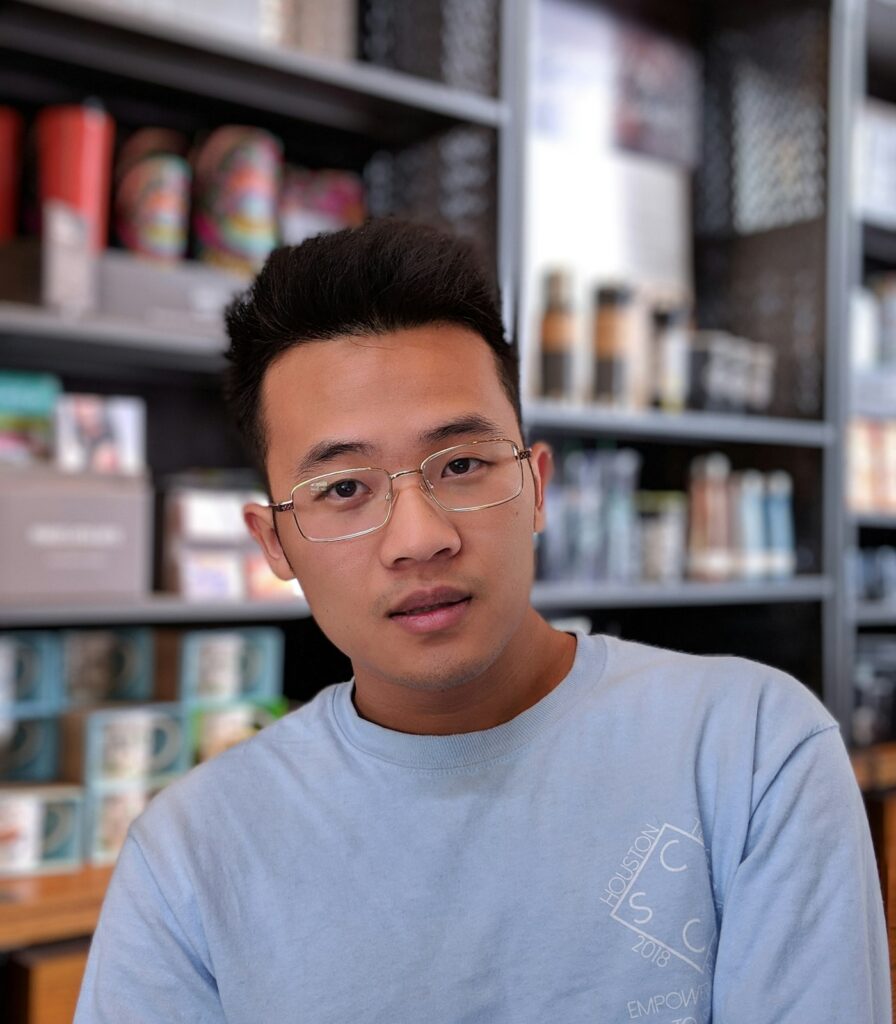
I am Wei. I am 22, I am from Shanghai, and I came to Nottingham to study engineering. My parents saved for years to send me here. My father is an accountant and my mother teaches maths, and they are very proud, in the quiet way that means they ask about my grades every Sunday on video call and nothing much else. I am their only child. Coming to the UK felt like carrying all of their hopes in my suitcase.
My first year was hard. The weather, the food, the speed of people talking in seminars. But I found friends, mostly other international students at first and then some British people from my course, and I started to feel at home. I also, for the first time, started to live openly as a gay man. In Shanghai I had kept that very private. In Nottingham I began going out, meeting people, dating. It felt like breathing properly.
A week of feeling ill
In my second year, a few weeks after the autumn term started, I became ill. I had a fever, a very sore throat and a rash across my chest and back, for about a week. I thought it was flu, or something I had caught from a flatmate. I took paracetamol and missed some lectures. But the rash worried me, so I went to the university health centre.
The doctor there asked careful questions about my health and, gently, about my sex life. Then she suggested a full sexual health screen, including an HIV test. She said that some of my symptoms could be a sign of a recent infection, and it was better to check. I agreed without thinking too much about it. I did not believe it could be anything serious.
The question I asked first
She called me back a few days later and asked me to come in, rather than telling me on the phone. When the HIV result came back positive, the room seemed to go very far away. I could hear the clock on the wall. And the first thing I said, before anything about my health, was, “Will I lose my visa?”
The doctor said no. I did not believe her, so she said it again. And again. She repeated it until I believed her.
I thought my life in the UK was over in that moment. It turned out to be one of the most untrue things I have ever believed.
She explained that HIV treatment is free for me in the UK on the NHS, like it is for everyone, whatever their nationality or immigration status. She said that the university would not be told, and neither would the Home Office. My diagnosis is confidential medical information, and it has nothing to do with immigration rules or my student visa. She also explained that the symptoms I had were probably from a very recent infection, and that finding it early was actually good news.
She referred me to the HIV clinic at the hospital. I went home and sat on my bed and did not move for a long time. My flatmate knocked to ask if I wanted dinner and I said I was tired.
Starting treatment, and studying
I started treatment within days. The HIV clinic was calm and kind. A nurse sat with me for almost an hour, answering every question I had, many of them twice. She explained how the tablet works, that I would have regular blood tests to check my viral load and my immune system, and that most people become undetectable within a few months. She told me about U=U, that once my viral load was undetectable I could not pass HIV on through sex. She also introduced me to a peer mentor through a local HIV charity, a man who had been diagnosed as a student himself, years before. We met for coffee every few weeks. He understood things no doctor could.
Because it was caught early, my immune system was in good shape. I had a few headaches and some strange dreams for the first couple of weeks, and then I felt normal. I was undetectable before my exams. I remember the nurse telling me, and I went straight from the clinic to the library and did a full day of revision, because I suddenly felt I had a future to revise for.
My parents do not know yet. That is the hardest part. HIV is still very misunderstood in my family’s world, and I want to tell them in a way that lets them see I am well, not frightened. I am planning how to tell them, slowly, with help from my peer mentor. I have told two close friends here, and both have been wonderful.
But I have finished my degree with good grades, and I have a job offer from an engineering firm. HIV is part of my life, not the end of my plans. If you are an international student and you are scared to test, please do not let fear about your visa stop you. Your health matters, and the help is there for you too.