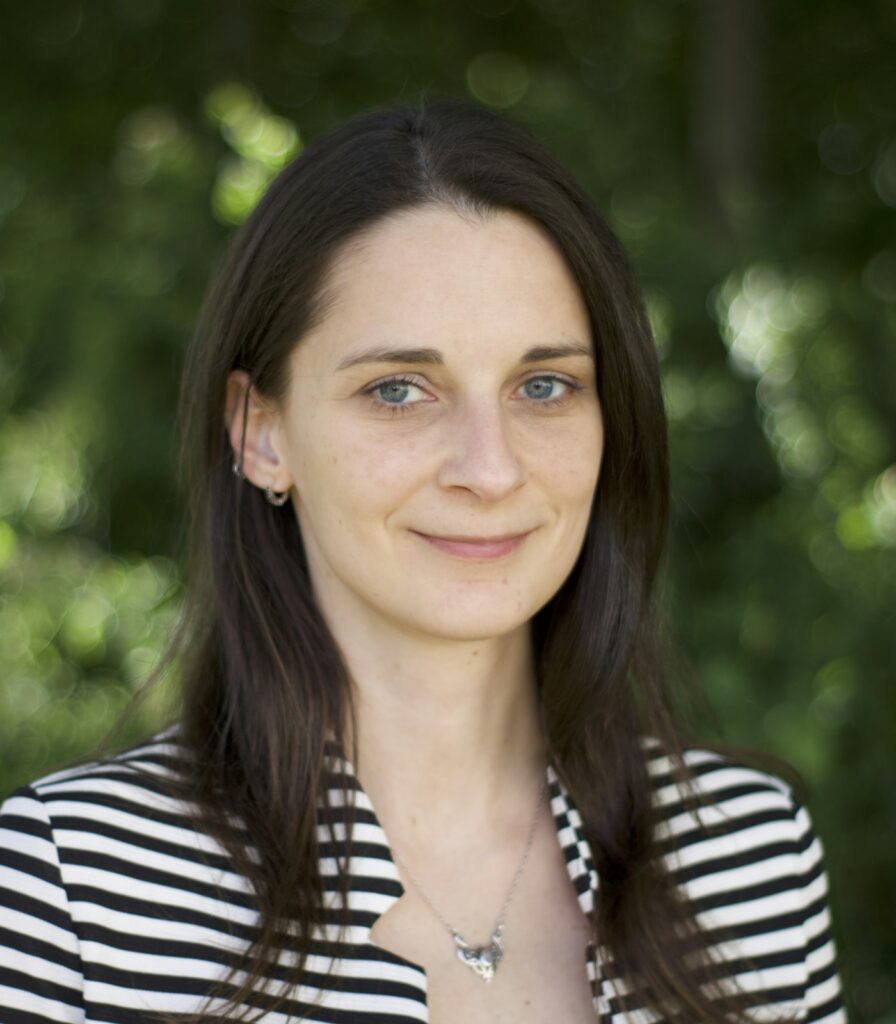
I am Agnieszka. I am 31, from Wrocław, and I came to Peterborough five years ago to work in a warehouse. The pay was better than anything I could find at home, and a girl from my school was already here and said she could help me find a room. I work picking and packing, mostly nights. It is hard on the body but the people are good, and there are so many Polish voices on my shift that some nights it feels like I never left.
My English was okay for work, not for doctors. I could talk about pallets and scanners and break times all day. But medical words, the words for parts of the body, the words for feelings – those I did not have. When I had a cold I just bought something from the chemist and pointed. I had registered with a GP when I arrived but I had never actually been.
After the relationship ended
For about two years I was with a man I met through friends. At the start it was good, and then it was not. He was jealous and he lied a lot, and when it ended, it ended badly. Afterwards I found out from someone else that he had been seeing other women the whole time. I felt stupid and dirty and very angry.
My friend Kasia, who works on my shift, said I should get a full check at the sexual health clinic. She said it like it was nothing – like going to get your eyes tested. For me it was not nothing. I was scared of three things. The result, first of all. Then my employer finding out, because I had heard stories, probably not true, of people losing jobs over health problems. And somehow losing my settled status. I did not really understand how the Home Office worked, and in my head every system was connected to every other system, all watching.
I did not sleep well for a week thinking about it. Then one morning after a night shift, too tired to argue with myself, I phoned the clinic.
Many of them think, like I did, that the system will punish you for asking. It did not punish me. It helped me.
An interpreter on the phone
When I arrived, I started explaining in my slow English, and the receptionist asked if I would like a Polish interpreter. I did not know that was possible. They put a phone on speaker in the consulting room, and a calm woman’s voice came on, speaking Polish with a Kraków accent. That alone made me relax. I could finally say exactly what I meant, and understand exactly what I was told.
The nurse explained, through the interpreter, how everything worked. She said the clinic is confidential. They do not tell anyone – not my GP unless I agree, not my work, not the Home Office. She said that testing and treatment for HIV are free on the NHS for everyone, whatever their immigration status, and that nobody would ask for my papers. She said that even if I did have HIV, that would not affect my right to stay, and the law protects people with HIV at work. I asked her to repeat it, and she did, patiently, twice.
She asked me some questions about my sexual history, which was embarrassing even in Polish, but she did not judge or react. Then she took blood for HIV and syphilis and gave me swabs to do myself in the bathroom. She told me that the blood test they used could reliably rule out HIV from 45 days after any risk, and since the relationship had ended more than two months before, the result would be conclusive.
The results
A week later I got a text. My HIV result was negative. My syphilis test was negative too. I did have chlamydia, which I had never even heard of in Polish – I had to look it up. The clinic called me back in, gave me a simple course of tablets, and told me to avoid sex for a short time and to let any recent partners know so they could get tested too. They offered to tell my ex-partner anonymously for me, which I accepted with some satisfaction.
That was it. Nobody told my employer. Nobody contacted the Home Office. Nothing happened, except that I was healthier and a lot calmer than before. I took the tablets, finished the course, and went back to work.
The nurse also told me about PrEP, a medicine that prevents HIV and is free from sexual health clinics, in case I wanted it in the future. And she gave me a card with the clinic number and the website for ordering free postal tests. I keep it in my purse.
Now I tell other Polish women at work that the clinic is safe. We talk in the canteen at three in the morning, when the men are outside smoking. Many of them think, like I did, that the system will punish you for asking. Some are scared of being reported, some are scared of the cost, some just do not know where to go. I tell them about the interpreter, and that it is free, and that nobody tells your boss. Two have gone already.
It did not punish me. It helped me. If you are new to this country and frightened of asking for help, please know you can ask for an interpreter, and you can ask for it to stay private. That is your right here.