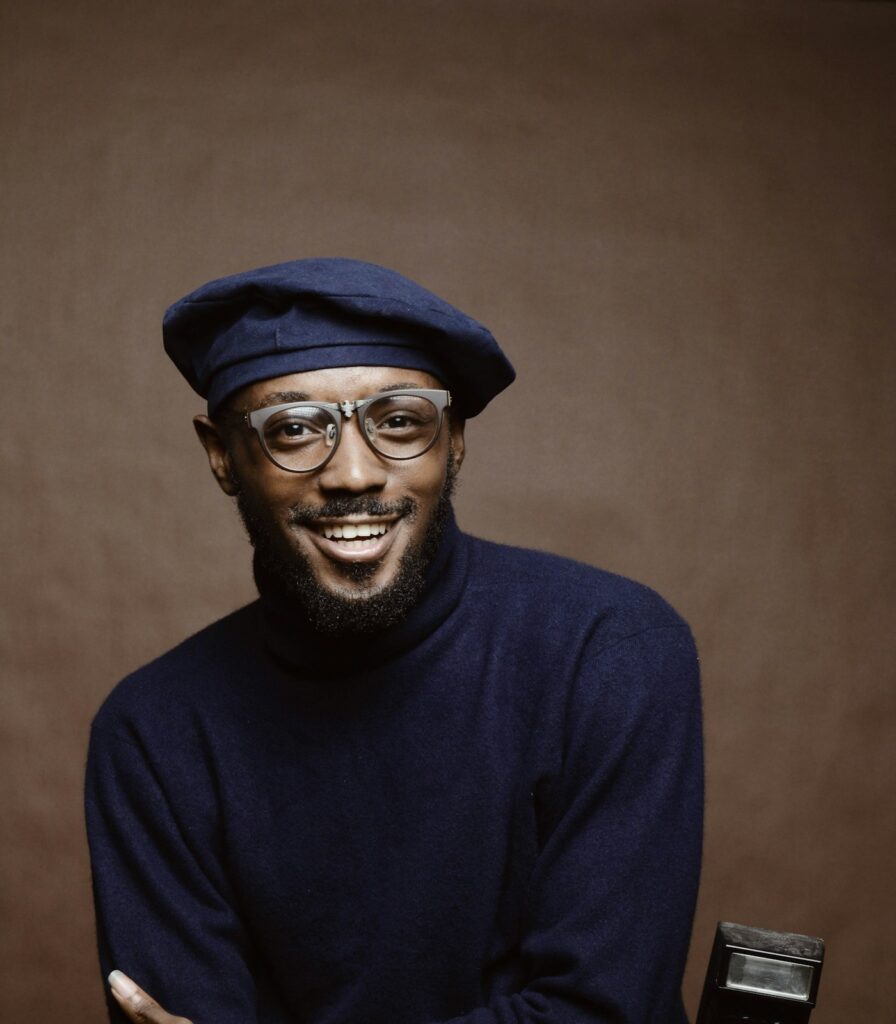
I am Tunde. I am 48, from Lagos, and I have lived in Leeds for most of my adult life. I work in IT support for the council. I am married, I have a teenage son who thinks I know nothing about anything, and I support a football team that has broken my heart many times. In most ways I am a very ordinary man.
I was diagnosed with HIV in 2013. I had gone to my GP about a rash that would not clear up, and she suggested a few blood tests, HIV among them. I agreed without thinking. When she called me back in, I knew from her face. I remember the clock on the wall above her desk, and the sound of children in the waiting room, and thinking how strange it was that the world was carrying on.
Three people, and nobody else
That evening I told my wife. She was frightened, and angry for a while, and then she was tested herself. She was negative. We went to the clinic together after that, and the health adviser sat with us both and explained everything – the medication, the blood tests, how the virus could be controlled. I started treatment within a few weeks. Within months my viral load was undetectable, and it has stayed that way ever since.
I also told my doctor, of course, and one friend from university who I trust with my life. And that was it. Nobody else. Not my brothers, not my cousins, not my church. And definitely not my mother.
My mother is very religious and very proud. She raised five of us mostly on her own after my father died, and she did it with her head high. When I was young, the way people talked about HIV in our community was full of shame and judgement – people said it was a punishment, that it came from sin. In my head, telling her would break something between us that could never be mended. She would look at me differently. She would blame herself, or blame me. She would cry, and I could not bear to be the cause of that.
So for ten years I hid it. She moved to the UK to live near my sister in Bradford, and she visits us often. Every visit, I took my tablets in the bathroom with the tap running and kept the box in my coat pocket. When she stayed for a week at Christmas, I set an alarm on silent and slipped away. My wife thought I was being ridiculous, and she was probably right. But fear is not reasonable.
She was silent for a long time. Then she asked, “Does it hurt you?” Not who, not how – does it hurt.
Six medicines on a hospital tray
Last year my mother was taken into hospital with her heart. It was a frightening few days. I sat by her bed and watched the nurses come round with the medication trolley. She had six different tablets – for her blood pressure, her heart rhythm, her cholesterol, something for her stomach. She took them one by one, with a little sip of water each time, and thanked the nurse. No shame. No hiding. Just a woman looking after her health.
Something shifted in me watching that. I thought: she takes six tablets in front of a ward full of strangers, and I cannot take one in front of my own mother.
Before I spoke to her, I rang a peer support service run by an HIV charity. I talked to a man who had told his own very traditional parents. He helped me plan what I would say, and he reminded me of a few facts to keep in my pocket: that treatment works, that I would have a normal life expectancy, that because I am undetectable I cannot pass HIV on through sex. He also said something useful – that I did not have to answer every question on the first day.
What she asked
When she came home I went to see her. My sister made tea and left us alone. I sat next to her on the sofa and said, “Mama, I also take a tablet every day. It is for HIV. I am well.”
She was silent for a long time. I could hear the clock and the traffic outside. I had prepared answers for every question I imagined – who, how, when, why did you not tell me. Then she asked, “Does it hurt you?” Not who, not how. Does it hurt.
I told her no. I told her that I have been undetectable for ten years, that I go to clinic a couple of times a year for blood tests, that my doctors say I will live a normal life. She held my hand and did not let go for a long while.
She still does not like to say the word. She calls it “your condition”, and I have decided that is fine. But she prays for me by name now, and she asks about my clinic appointments the way she asks about my son’s exams. Last month she reminded me to take my tablet when I was at her house. I nearly laughed.
There is no right time to tell your family, and you do not have to tell them at all. But if you are carrying it the way I did, it may be worth asking yourself whether the person you are protecting is them or you. I wish I had trusted her sooner.