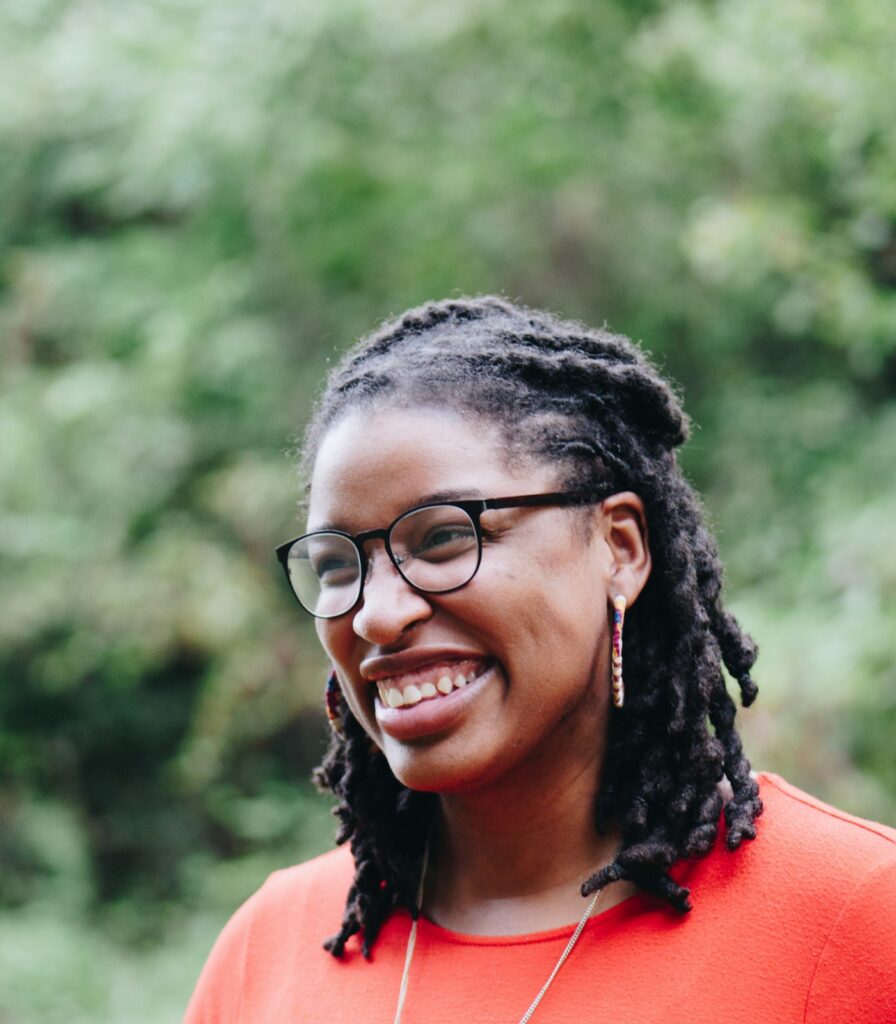
I am Ngozi. I am Nigerian, from Enugu originally, and I have lived in south London since I came to study. I work in customer services for a housing association, and before all this my biggest worries were rent, my manager and whether my mum would ever stop asking when I was getting married. I had been with my partner for four years. We were not married yet, but we were solid. When I found out I was pregnant at 29 with our first child, we were both shocked and then completely delighted. He started looking at prams the same night.
I had never thought about HIV. Not once. In my head it was something from the news, or a story about someone’s cousin’s friend back home. I was in a long relationship, I went to church, I had a good job. I did not think of myself as someone who needed to think about it. When the midwife at my booking appointment said they would do routine blood tests, including HIV, hepatitis B and syphilis, I just nodded and held out my arm. Everyone has them, she said. I believed her, and I did not give it another thought.
The call back
I was twelve weeks pregnant when the midwife called me back about my blood tests. She asked me to come in, and she would not say why on the phone. I spent the bus ride convinced it was my iron levels or something about the baby’s scan. The room was small and warm, with a box of tissues on the table that I noticed straight away.
When the word came, my first thought was not about me. It was: “I have killed my baby.” I actually said it out loud. I was shaking. The specialist midwife – there was a second woman in the room, who I later learned worked only with pregnant women living with HIV – took my hand and said very clearly that this is not what happens anymore. She said that with treatment, the chance of passing HIV to my baby could be made very, very small. Under one in a hundred, she said, when the mother’s viral load is undetectable. I did not believe her that day. But I held on to the number.
My first thought was not about me. It was “I have killed my baby.” She said very clearly: that is not what happens anymore.
Treatment, and telling him
I started treatment the same week. The HIV clinic and the maternity team worked together, which meant I had extra appointments but never felt passed around. They took blood regularly to check my viral load. For the first couple of weeks I felt a bit queasy, though honestly I could not tell what was the tablets and what was the pregnancy. By thirty weeks my viral load was undetectable. I remember the specialist midwife smiling as she read it out, and I remember laughing in a way I had not done in months.
Telling my partner was the hardest conversation of my life. I was frightened he would blame me, or leave. Instead he went very still and then asked what he should do. The clinic offered him a test, and he went the following week. He was positive and had no idea. He had never been tested in his life. He is on treatment now and doing well. We had some very hard conversations in those months – about the past, about trust, about who might have known what – and there were nights we did not speak at all. But we are still together, and in some ways we are more honest with each other than before.
The tests that came after
I had a normal delivery. Because my viral load was undetectable, the team were happy for me to give birth the usual way, and they talked me through every option ahead of time. My daughter came out loud and furious, with a full head of hair. She took liquid medicine for a few weeks after birth to protect her, which I gave her with a little syringe, and she had blood tests at intervals over the following months. We also talked through feeding with the team. They explained the options and the current guidance, and helped me make the decision that was right for us – I would tell any mother to have that conversation with her own HIV and maternity teams rather than guess.
Every single one of my daughter’s results was negative. I cried at each one. The first time it was fear leaking out; by the last one, it was happy tears, and the nurse cried a bit too. The final test confirmed it. She does not have HIV.
A peer mentor from a charity that supports mothers with HIV phoned me most weeks during the pregnancy, and that helped more than I can say. She had two children of her own, both negative. Hearing her talk about school runs and birthday parties made the future feel real.
Today my daughter is a healthy, noisy toddler who refuses to wear socks and sings in the bath. I take one tablet a day and go to clinic a few times a year. My partner does the same. Most days HIV is not the first thing I think about, or even the tenth.
If you are pregnant and scared, please do not skip the test. I know it is frightening to think of a result you were not expecting. But knowing is what protected my daughter. Not knowing could have taken everything.