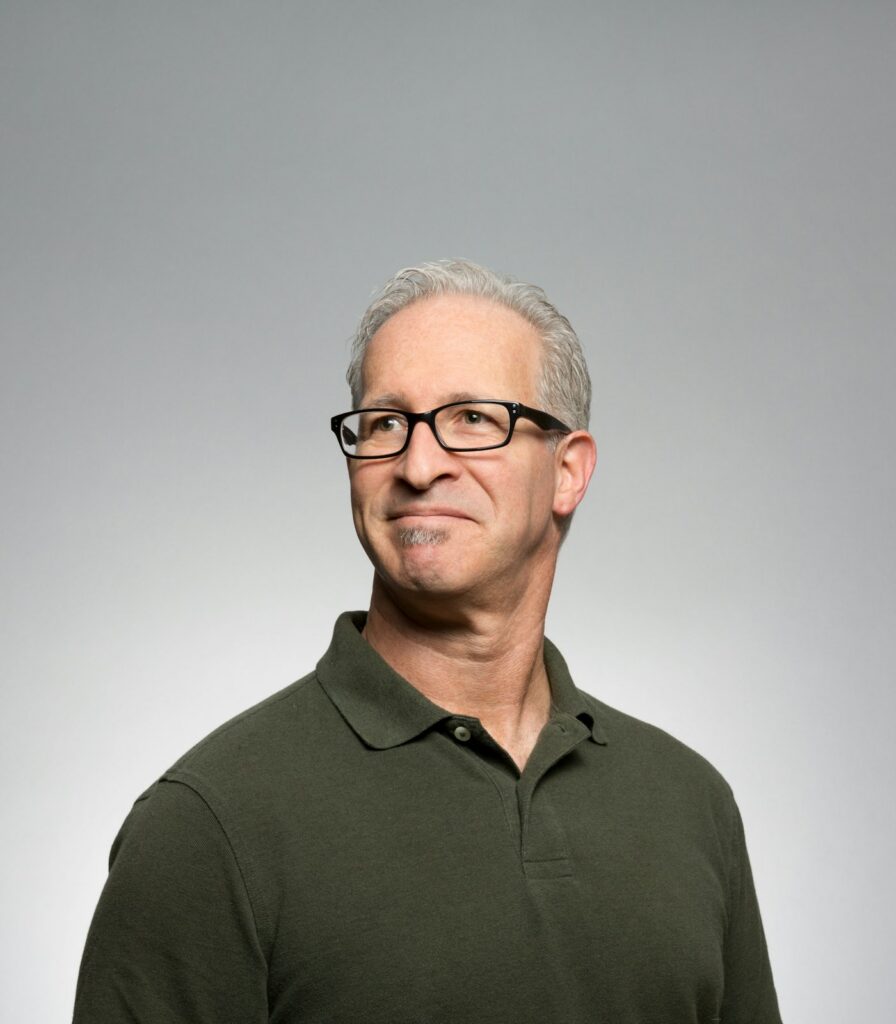
I am Graham, I am 63, and I am a retired civil servant living in Brighton. I spent most of my working life in a government office pushing paper about, and I enjoyed it more than I probably should admit. These days I volunteer at a local charity shop, walk the seafront every morning and argue with my partner about whose turn it is to cook.
I was diagnosed with HIV in 1991. I was in my late twenties. I had been ill on and off with chest infections and night sweats, and I had a feeling, deep down, before anyone said the words. The doctor was kind. He sat on the edge of the desk and spoke gently. But the message was clear: there was not much they could do, and I should think about putting my affairs in order.
The funeral years
I walked out of that hospital into a grey afternoon and sat on a wall for a long time. Then I went home and made a list of who would get my records.
The years that followed are hard to describe to people who were not there. I watched friends die. Young men, bright and funny and furious, wasting away in hospital beds while the newspapers wrote cruel things about us. I went to more funerals in my thirties than I have been to since. There was a period when I bought a black suit because it was cheaper than hiring one so often.
I bought a black suit because it was cheaper than hiring one so often.
I took the early drugs that were available. They made me very ill and, as it turned out, did very little. I lost weight, I lost my hair in patches, and I lost a lot of hope. My mother came down from Leicester and sat with me some weekends. We did not talk about it much. We did crosswords.
1996
Then, in 1996, combination therapy arrived, and the world tilted. I remember my consultant’s face when she told me about it. She was trying to be cautious but she could not quite keep the excitement out of her voice.
It was not easy. I was taking handfuls of pills at strict times of day, some with food, some on an empty stomach, some that had to be kept in the fridge. I carried a pill box with an alarm. The side effects dominated my life for years: stomach problems, changes in my body shape, exhaustion. I planned every journey around toilets. But my blood results started to improve, and then they kept improving. I was alive, and slowly I started to believe I might stay that way.
I went back to work full time. I met my partner, Alan, in 2001 at a friend’s dinner party. He knew about my status from the start and has never once made me feel it was a problem. We had a civil partnership in 2008 on a windy day by the pier.
One tablet with my morning tea
Today it is one tablet a day, taken with my morning tea while I listen to the radio. That is it. I have been undetectable for over twenty years, which means I cannot pass HIV on to Alan, and my immune system is in good shape.
My clinic visits these days are more about getting older than about HIV itself. My consultant is interested in my cholesterol, my blood pressure and my bone density. I have a scan every so often. We talk about exercise and diet and whether I am drinking too much red wine. The clinic also has a psychologist, and a few years ago I had some sessions to deal with grief I had never really processed from those early years. I wish I had done it sooner.
The clinic itself is unrecognisable. In the early nineties, the waiting room was full of frightened, thin young men. Now I sit alongside people of all ages and backgrounds, many of them looking perfectly well, scrolling through their phones. That is the most moving thing I can think of.
I do some peer support now, through a local HIV charity, mainly with people who have just been diagnosed. Many of them come in convinced their lives are over, because the images in their heads are from the eighties. I understand why. Those images are in my head too, and in my case they were real.
When younger people panic about a diagnosis, I tell them this: I was given months to live. I am now arguing with my financial adviser about my pension and planning a retirement trip to Portugal. With treatment today, people diagnosed with HIV can expect to live a near-normal lifespan. Take your tablet, go to your appointments, look after your heart and your mind, and get on with living. Plenty of us who were not supposed to make it are still here.