More people in the UK are diagnosed with HIV after 50. Midlife dating, divorce, and the assumption that “HIV is a young person’s issue” leave gaps. Testing is routine at any age — this hub points you in without embarrassment scripts.
Fast facts
- HIV testing is appropriate at any age when there is risk or you simply want a check.
- New partners after divorce or bereavement are a common moment to retest.
- PrEP can be discussed later in life — clinics assess need, not age stereotypes.
- You do not owe reception a speech about your sex life to get a test.
- Living with HIV on treatment supports long, healthy lives.
- Clear on HIV is awareness only.
Testing without awkwardness
Say “I would like an HIV test as part of a sexual health check.” That is enough. Read clinic & GUM testing and home & postal kits if clinic timing is hard.
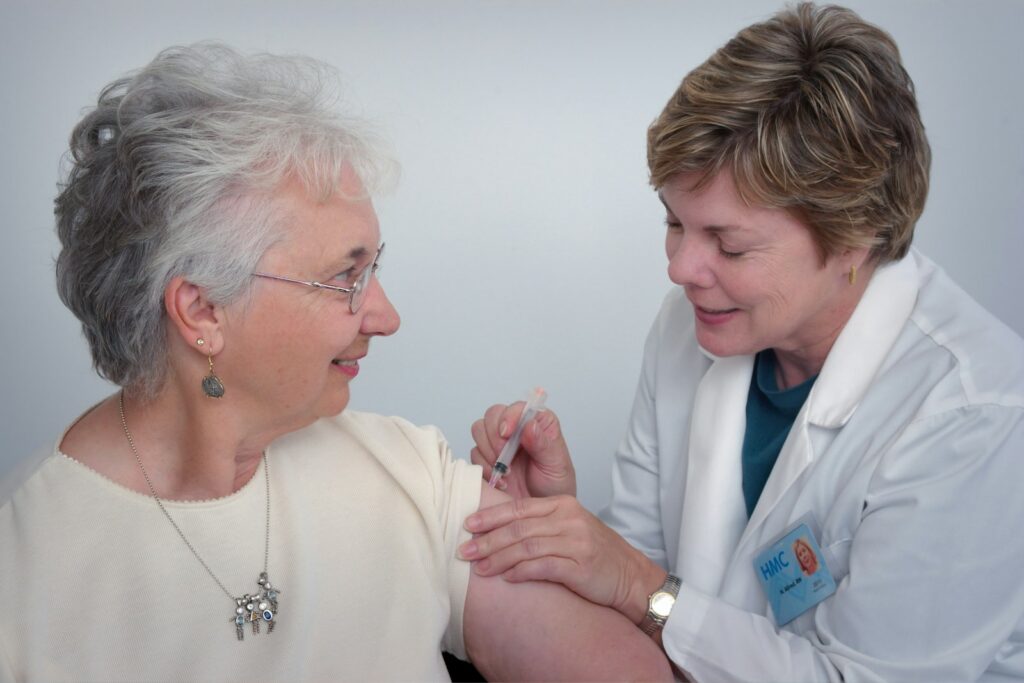
GPs sometimes miss sexual risk in older adults. You can still use sexual health services directly — self-referral is common.
Dating, PrEP, and U=U
If you are dating again, build testing and prevention into the plan early. What is PrEP? and U=U explained cover the two conversations couples ask about most. Shame about “starting over” is common; it is not a clinical barrier.
If you are newly diagnosed later in life
First weeks after diagnosis and treatment & clinics walk the next steps. Peer support helps when your friendship group has no map for this.
In detail
Age is not a reason to skip condoms, PrEP, or testing. Nation pathways: Find help. Talking guides: partners. Disclaimer.
Health checks that skip sexual health
NHS Health Checks and cardiology clinics rarely open the HIV conversation. That silence is not proof you are safe. Add sexual health to your own checklist when partners change, after travel, or when a condom fails.
Erectile dysfunction medicines, dating apps, and new relationships after long marriages are common midlife stories — none of them make you foolish for wanting a test. Staff have heard them.
If you already live with other long-term conditions, tell the HIV clinic your full medicine list when you start treatment. Coordination prevents avoidable interactions and shows you are taking care of the whole picture.
Widows, widowers, and people leaving long marriages sometimes feel “too old” for sexual health posters aimed at under-30s. Ignore the marketing ageism. The clinical offer is still yours — ask for it by name.
Awareness guidance only — Clear on HIV is not a clinic and does not give personal medical advice. Clinics decide about medicines, dosing, and your results. If advice here conflicts with a clinician, follow the clinician.