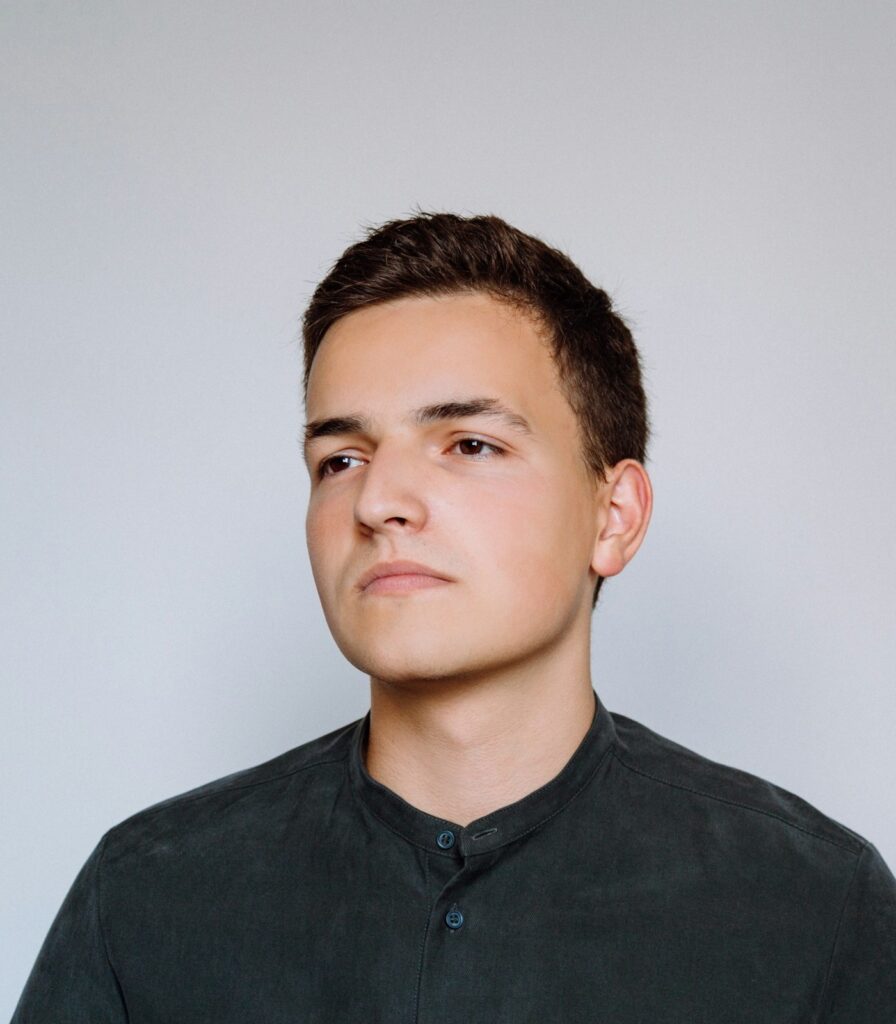
I’m Callum, I’m 22, and I’m from Coventry. I was born in 2004, and I was born with HIV. I’m doing an access course at college at the moment, with the aim of going on to study social work. I live with my mum and our very old cat, and I spend most weekends either at the gym or watching Coventry City lose.
My mum didn’t know she had HIV when she was pregnant with me. She found out when I was a baby and became seriously ill, and the doctors tested us both. She has told me that the weeks that followed were the worst of her life: finding out about her own diagnosis and mine at the same time, and not knowing if I’d pull through. I did. We both did. We’re both still here, and both healthy.
Just my medicine
I’ve taken medicine every day for as long as I can remember. When I was little it was a syrup that tasted horrible, then tablets that were too big, and my mum would crush them into yoghurt. To me it was just “my medicine”, the same way other kids had inhalers. Every few months we’d go to the children’s clinic at the hospital, which had fish tanks and a box of toys, and I’d have a blood test and get a sticker.
I was eleven when my mum and my nurse sat me down in a little room at the clinic and explained what the medicine was actually for. They’d been preparing for it for a while, I found out later, telling me bits at a time so it wouldn’t come as a shock. I remember asking whether I was going to die. My nurse said, “No. You’re going to grow up, and you’re going to have a normal life, as long as you keep taking your medicine.” I remember being more upset that I wasn’t allowed to tell my friends at school yet.
The hard years
The teenage years were the hardest. I didn’t know anyone else my age who had HIV, or at least I didn’t think I did. I just wanted to be normal. Taking tablets every night reminded me that I wasn’t, so I started skipping them. A night here, a weekend there, then sometimes a whole week. I’d lie to my mum and say I’d taken them.
At my next blood test, my viral load had gone up. My nurse didn’t tell me off. She sat with me and asked what was going on, and I ended up crying and telling her everything. She spent a lot of time with me over the following months: setting phone reminders, switching me to a single tablet that was easier to take, and talking about why I was finding it hard. Bit by bit I got back on track, and my viral load came back down to undetectable.
HIV has always been part of my life. It doesn’t get to be all of it.
Growing up twice
At eighteen I moved from the children’s clinic to the adult one. It felt like growing up twice. The adult clinic felt cold at first: no posters, no fish tanks, no youth worker, just a waiting room full of people much older than me. The first time I went on my own, I sat in the car park for ten minutes before I went in.
The transition team helped a lot. They’d started preparing me for the move a couple of years before, getting me used to booking my own appointments, ordering my own prescriptions and speaking to the doctor without my mum answering for me. They also put me in touch with a youth group run by a national HIV charity for young people who’d grown up with HIV. The first weekend I went, I met about fifteen people my age who knew exactly what it was like to hide tablets from friends at sleepovers. That meant the world. Some of them are still my closest friends.
Later, I trained as a peer mentor with the same charity, so I could support younger teenagers going through the same thing. That’s partly where my interest in social work came from.
Where I am now
Now I’m undetectable, and I have been for years. I have a blood test every six months and see my consultant, and my treatment is free on the NHS. I’m at college, and I’m in a relationship with someone who knows about my HIV and understands U=U, which means that with an undetectable viral load I can’t pass it on through sex. Telling her was nerve-racking, but she asked good questions and then asked what I wanted for dinner.
My doctor has told me that people who were born with HIV can live full lives, work, travel and have children of their own who don’t have HIV. I’m not there yet, but it’s good to know the door is open.
If you were born with HIV and you’re finding things hard, especially as a teenager, please tell your clinic team. They’ve heard it all before. And look for a youth group. Finding people who get it changed everything for me.