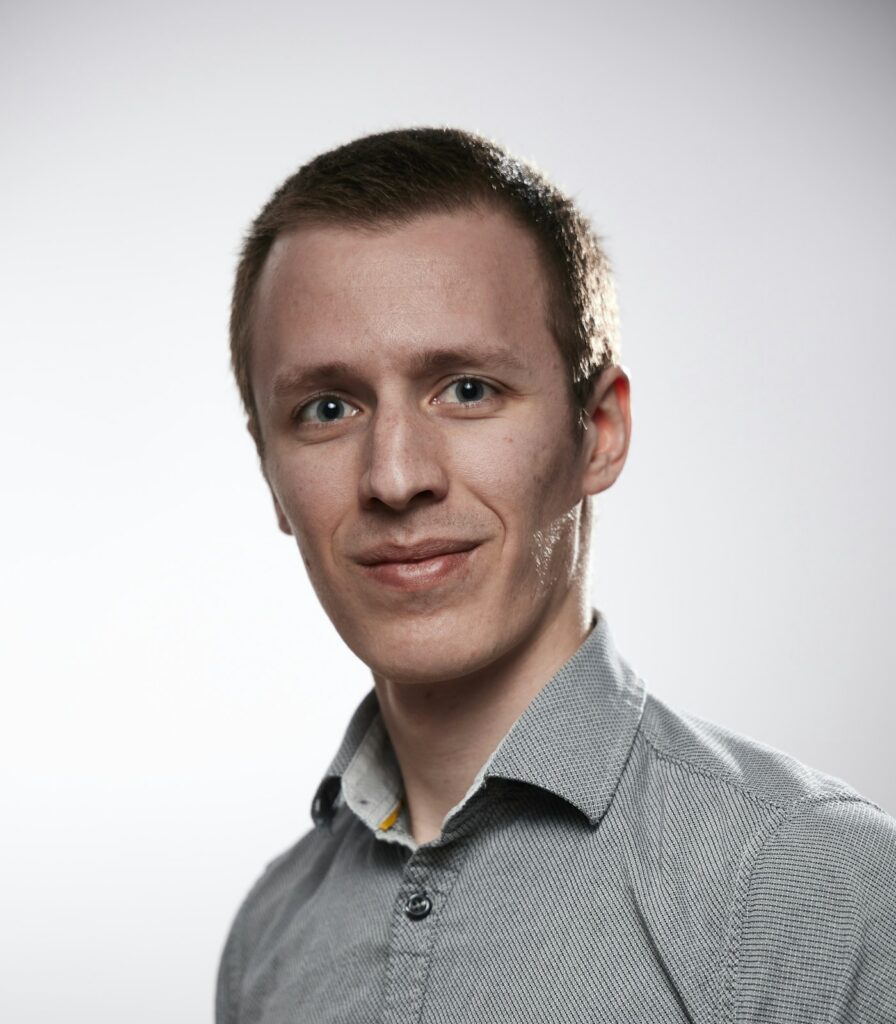
I am Martin. I am 45, and I am an electrician in County Fermanagh. I have lived here my whole life, apart from a few years working on building sites in England in my twenties. I do mostly domestic jobs now, rewires and fuse boards and the odd farm shed, and I spend a lot of time in my van on narrow roads between lakes. I live on my own with my dog, a soft old collie cross called Bran, who comes with me to most jobs.
I was diagnosed with HIV eight years ago. It came out of nowhere. I had lost weight without trying and kept getting a rash I could not shift, and my GP sent off a set of bloods that included an HIV test. I had not even registered that it was part of it. When the doctor rang and asked me to come in, I knew something was wrong from her voice.
The early days
I will not pretend I took it well. I was frightened and I was ashamed. In my head, HIV still belonged to the grim stories I had heard as a young fella. I did not tell anyone for months. Not my brother, not my mates from the GAA club. I would drive to the specialist clinic and tell people I had a hospital appointment for my back.
The team there were very good to me from the start. The consultant explained that treatment had changed beyond recognition, that I would most likely be on one tablet a day, and that if I took it and my viral load became undetectable, I would not be able to pass HIV on to anyone through sex. She told me my life expectancy, with treatment, was near enough the same as anyone else’s. I did not believe her at first. I believed her more each time my results came back.
The nurse I met that first day has been my nurse ever since. She is the one who sat with me when I cried in the side room, and the one who told me about a peer support group run by a local charity. I went once, nervously, and sat at the back. It helped to meet a man in his sixties who had been living with HIV since the nineties and was mainly worried about his golf handicap.
The tablets were the easy part. The hard part was the drive, the day off, and the lying.
A day lost every time
At first I travelled to the specialist clinic every few months, for blood tests and to see the doctor. It meant a long drive there and back, a full day off and a lot of explaining to my boss about “hospital appointments”. I was working for a firm then, and every time I asked for another day I felt him wondering what was really going on. I lost money each time. I dreaded those days, not because of the clinic, which was always kind, but because they made HIV the biggest thing in my life all over again.
My viral load went undetectable within a few months, and stayed there. The side effects I had at the start, some vivid dreams and a bit of tiredness, faded within a few weeks. Physically, I was fine. It was the logistics that were wearing me down.
Changing how it works
Once I had been undetectable for a while, my consultant suggested changing things. She said that for people who are stable, there was no need to keep dragging them in so often. We worked out a plan together.
Now I have my blood tests at my local hospital, a short drive away, early in the morning before a job. A week or so later, someone from the HIV team rings me for a phone review. We go through the results, how I am feeling, whether anything has changed, any new medicines from the GP. My tablets are delivered to my house in a plain box, and I sign for them like any other parcel. The postman thinks I order a lot of supplements.
I go in person once a year, for a proper check-up and a longer chat. I still see the same nurse I have seen since the beginning, and she still asks about my dog. Bran gets a mention in my notes, I am fairly sure.
A few years ago I went self-employed, which helps too. And I have told a handful of people now, my brother among them. He was quiet for a minute, then asked if I wanted a pint. That was it. That was the whole drama I had been dreading for years.
Living with HIV in a rural area used to feel like a full-time job. Now it is a small part of my life. That is how it should be. If your care is making your life harder than it needs to be, talk to your team. Ask what else is possible. They might surprise you.