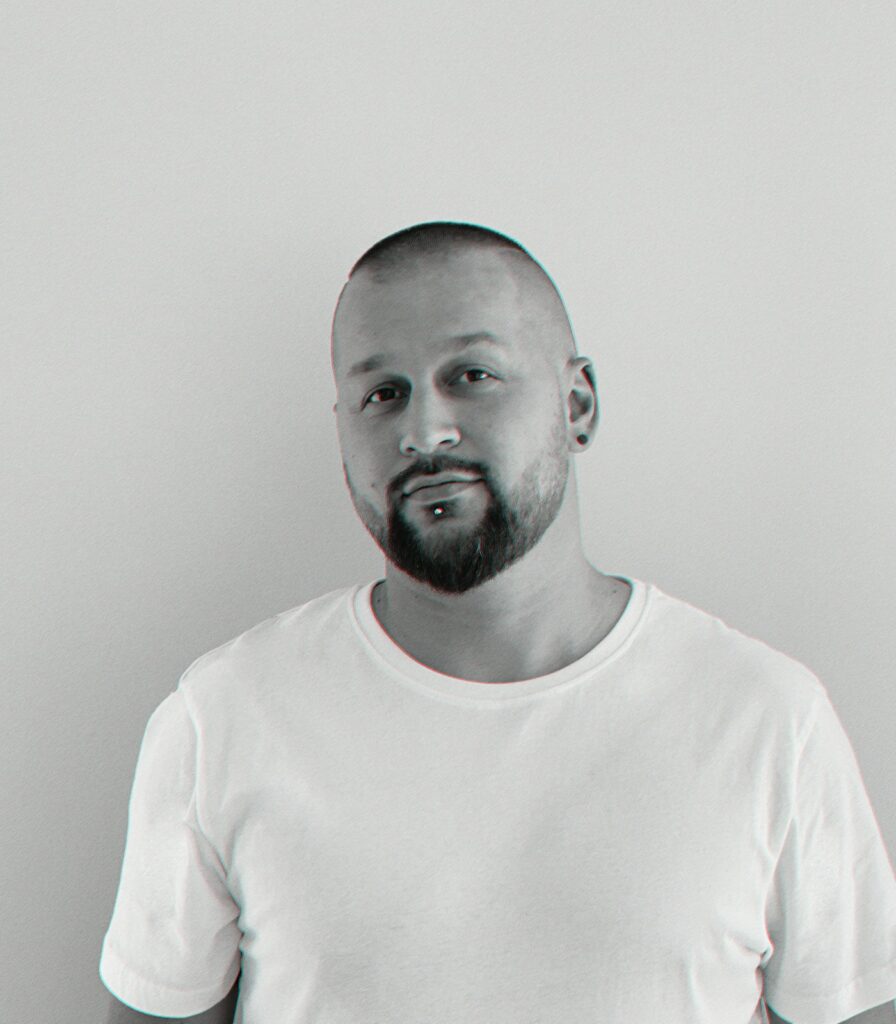
I am Steve. I am 61, I live in Swindon, and I have lived with HIV for nineteen years. I was diagnosed in my early forties, at a time when I was working in a warehouse and thought I was invincible. I had been ill with a chest infection that would not shift, and a sharp GP suggested a test. I remember sitting in the car park afterwards with the engine off for an hour.
Those first couple of years were hard. The tablets back then were more of a handful, and I had side effects that made me miserable for a while. But things settled, the treatment improved, and I have been undetectable for most of that time. These days I take one tablet a day, I see my clinic for bloods and a chat a couple of times a year, and I mostly forget about it. I know that because my viral load is undetectable, I cannot pass HIV on to a partner through sex. I know my life expectancy is about the same as anyone else my age. My knees worry me more than my HIV does.
The phone call
Last spring I moved house, across town, to a ground-floor flat that is kinder to those knees. I sorted out the gas, the post, the GP, and then I tried to register with a new dentist near my new place.
They sent me a medical history form to fill in. Down the list there was a box for HIV. I ticked it, as I always have. I believe in being honest with health professionals. It is not as though it changes anything they do, and I would rather they had the full picture of what tablets I am on.
The receptionist rang me two days later. I was in the kitchen, making a cup of tea. She said, very politely, that they “weren’t set up” for someone with my condition, and that I might be better off finding a practice that “specialised”. When I asked what she meant, she said they did not take patients like me. Then she said she was sorry and that she had to go.
I stood there holding the phone. I felt about twenty years younger, and not in a good way. That old shame came straight back, the one I thought I had put down years ago. The feeling of being dirty, of being a problem. I did not ring anyone. I did not even finish the tea. I just sat on the sofa feeling small.
Nineteen years of being well, and one phone call put me right back in that car park.
Getting angry, properly
I had a routine appointment at my HIV clinic the following week, and I mentioned it almost as an aside to my nurse, who I have known for over a decade. She put her pen down. I have never seen her so furious on someone else’s behalf.
She explained it to me very clearly. All dentists use the same infection control for every patient, every single time, because they cannot know who has what. Gloves, sterilised instruments, the lot. There is nothing extra to “set up” for someone with HIV, and certainly not for someone who is undetectable. Refusing to treat me because of my status was discrimination, plain and simple, and it is unlawful under the Equality Act 2010. People with HIV are protected from the moment they are diagnosed.
She gave me the details of a local HIV charity. I rang them that afternoon. The woman I spoke to had dealt with this sort of thing before, which was depressing and reassuring at the same time. She helped me write a complaint to the practice manager, setting out what had been said, when, and why it was against the law. She kept me from writing it in capital letters, which was my first instinct.
What happened next
It took a few weeks. Then the practice manager wrote back. She apologised, properly, without any of that “sorry if you were upset” business. She said the receptionist had misunderstood the practice’s policies, and that she had arranged training for all of her front-desk and clinical staff on HIV and infection control.
She offered me an appointment. I thought about it, and I chose to go somewhere else anyway. I did not want to sit in that chair wondering what they were thinking. My new dentist has my form, with the box ticked, and nobody has said a word about it except to ask which tablets I take. I have had a filling and a clean. It was entirely boring, as it should be.
I am not a campaigner. I am a retired bloke who likes the football and his allotment. But I made sure the next person who ticks that box at that practice will not get the same phone call I did. That matters to me more than I expected.
If this happens to you, please do not swallow it the way I nearly did. Tell your clinic. Ring a charity. You have rights, and dentists cannot refuse you for having HIV.