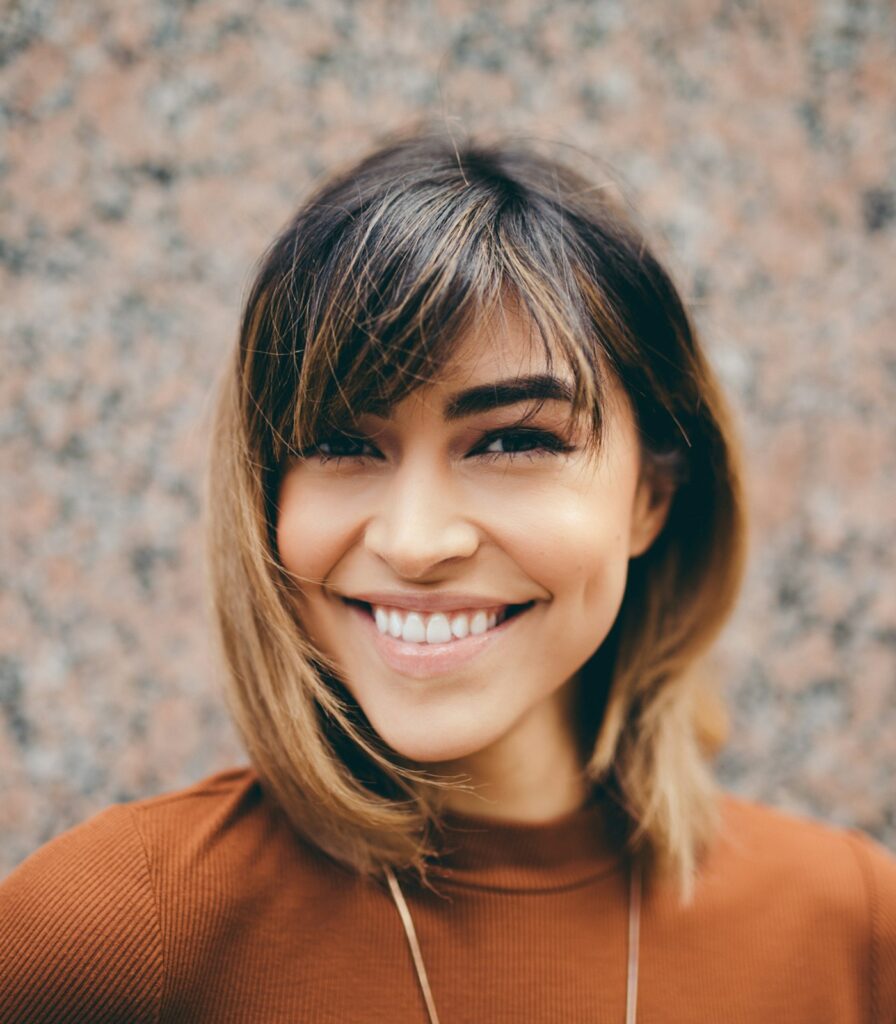
I am Mei, I am 27, and I am British-Chinese. I grew up in Stockport, where my parents ran a takeaway for most of my childhood, and I now work in marketing in Manchester. My job is all about telling stories well, which is funny, because for a long time there was one story I could not tell anyone.
I was diagnosed with HIV after a short relationship with someone who did not know he had it. We had only been together a few months. He got ill, was tested and was diagnosed, and then he rang me. I will never forget his voice on the phone, how frightened he sounded. I went to the sexual health clinic the next morning. The rapid test was positive, and the lab confirmed it a few days later.
Living behind glass
The clinic were amazing. They explained that treatment works incredibly well now, that most people take one tablet a day, and that with treatment I could expect to live a normal lifespan. They also explained U=U, that once my viral load was undetectable and stayed that way, I could not pass HIV on through sex. I started treatment within a fortnight and, apart from some tiredness at the beginning, I felt fine. At my three-month check my viral load was undetectable.
My parents still do not know. That is a decision I have made for now, and I am at peace with it. They are from a generation and a background where HIV carries a lot of shame, and I am not ready to carry their fear as well as my own.
But keeping it from my three best friends was different. We have been close since secondary school. We have been through exams, terrible boyfriends, a bereavement, a wedding. We have a group chat that never sleeps. Not telling them felt like living behind glass. They could see me, but they could not reach me. I kept making excuses for why I was quiet, and I hated lying to them.
They could see me, but they could not reach me.
The dinner
A peer support worker at the clinic helped me prepare. She suggested I start with the people I trusted most, have a few facts ready, and think about what I wanted from them. She also reminded me that I did not have to tell anyone at all if I did not want to. It was my information and my choice.
I invited the three of them round on a Friday night. I cooked far too much food, dumplings and noodles and my mum’s aubergine dish, and then I could not eat any of it. They kept asking if I was okay. Eventually, with my hands wrapped around a mug of tea, I said, “I need to tell you something and I need you to just listen until I’ve finished.”
I told them everything. The relationship, the phone call, the diagnosis. I told them about the treatment, and that I was already undetectable, and what that meant. I told them I was well, and that I was going to stay well. I had practised it in the mirror, but my voice still shook.
Who my people really are
There was a moment of silence that felt like an hour. Then one of them started crying, which set me off. Another came round the table and hugged me so hard my back clicked, which made us all laugh through the tears. The third, who has always been the practical one, just said, “Okay. What do you need from us?”
That question meant everything. Nobody asked how it had happened in a way that felt like blame. Nobody flinched. We ended up eating all the cold dumplings at midnight.
Since then they have been brilliant. One of them came with me to a clinic appointment when I was nervous about a blood test, and asked the nurse more questions than I did. They have all read up on U=U. A few months ago, at a friend’s birthday drinks, someone made an ignorant joke about HIV, and one of my friends calmly corrected him before I had even worked out how I felt. I could have kissed her.
I still choose carefully who I tell. Not everyone has earned that part of my story, and that is fine. I may tell my parents one day, and if I do, I know I will have backup. But I am not hiding from the people who matter most any more, and I feel lighter for it.
If you are thinking about telling someone, start small. Choose one person you trust. Have a few facts ready so you can answer questions. And remember that their first reaction might not be their last. Mine taught me who my people really are.