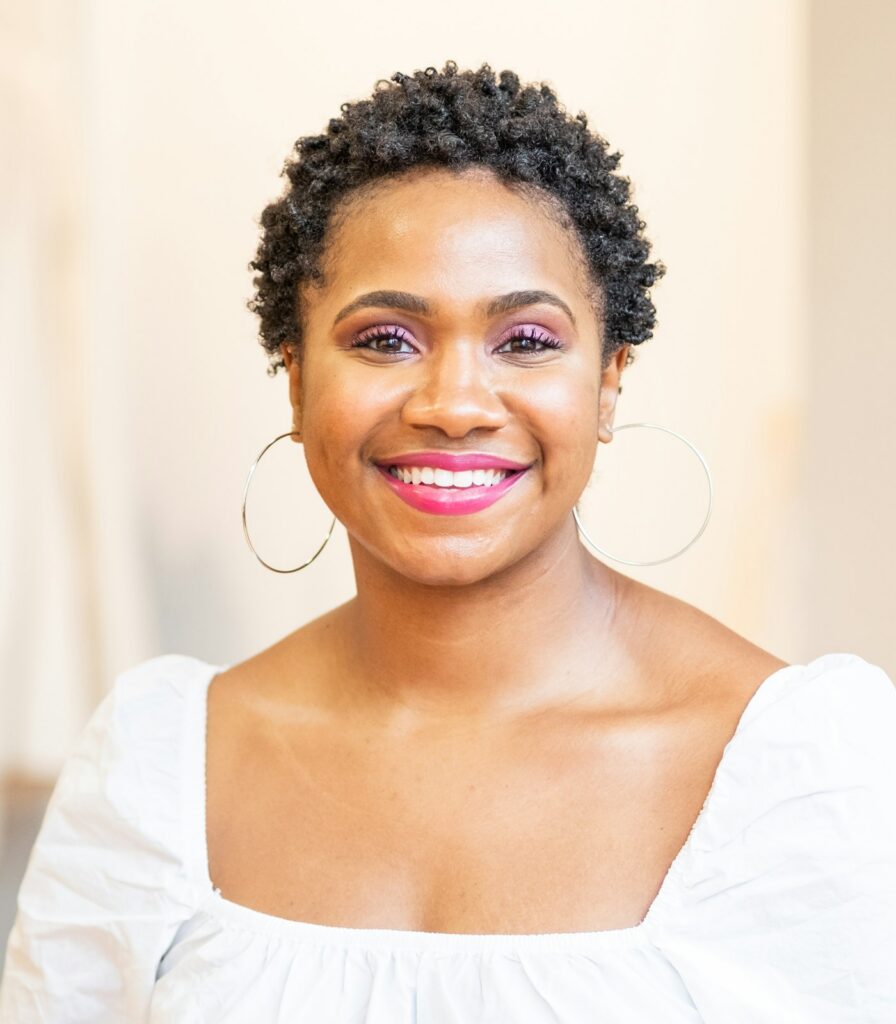
I am Grace. I am 39, from Zimbabwe, and I live in Luton with my two children. I work as a care assistant in a residential home, mostly early shifts, which means I am up before five and usually asleep by half past nine. My faith has always been at the centre of my life. I grew up singing in the choir in Harare, and when I came to England the first thing I did, before I even had a bank account, was find a church. It is where I found friends, where I found work, and where I felt at home in a cold country.
I was diagnosed six years ago. I had been feeling run down and I had a stubborn chest infection, and my GP offered an HIV test along with other bloods. When the result came back positive I sat in my car in the surgery car park for nearly an hour. I thought about my children. I thought about my mother back home, who had nursed my uncle when he died of AIDS in the nineties, before treatment reached our town. I was so frightened.
Starting treatment
The clinic was very good to me from the first day. They explained that treatment has changed completely, that people who take it every day can expect to live a near-normal life. I started straight away. At first I had some strange dreams and a bit of an upset stomach, but that settled within a few weeks. My viral load came down quickly and I became undetectable. My children were tested and were both negative. I went back to work, back to church, back to life.
I told very few people – my sister, and my pastor’s wife, who was gentle and kind about it. I prayed about it every day, and I believed then, as I believe now, that God was with me through it.
The visiting preacher
Two years after my diagnosis, a preacher visited our church for a week of special services. He was a powerful speaker and the hall was packed every night. On the last evening he said that people who truly believed would be healed, and that if you were really trusting God you should throw away your medicine as a sign of faith. People were crying and shouting. Some went to the front.
A woman in my prayer group, a friend of mine, did exactly that. She told us the next week that she had poured her tablets into the bin. Everyone praised her. And I sat there with my secret and felt like a hypocrite. I did not want to look like I had weak faith, even if nobody knew I was taking anything at all. So I stopped. For three weeks I did not take a single tablet. I prayed harder than ever. I told myself I felt fine.
“Your medicine can be part of your prayers being answered.”
At my next clinic visit the nurse took my blood as usual. A week later my consultant called me in. My viral load had gone up – the virus was multiplying again. I was ashamed and expected to be told off. But my consultant did not shout. She asked what had happened, and she listened, really listened, while I explained about the preacher and my friend and my fear of looking faithless. She did not laugh at my beliefs or tell me they were foolish.
She explained, very calmly, that when you stop treatment the virus starts copying itself again and attacks the immune system, and that stopping and starting can lead to the virus becoming resistant, so the medicine does not work as well. Then she said something I still remember: “Your medicine can be part of your prayers being answered.” I went home and sat with that for a long time.
Holding both
I went back on treatment that week. The clinic checked my blood more often for a while, to make sure the medicine was still working properly, and thank God it was. Within a few months I was undetectable again, and I have been undetectable ever since. That is four years now.
The clinic also introduced me to a support group run by a local HIV charity, where several of the women are Christians or Muslims. We talk about faith and medicine openly there. One woman said that she sees her tablets as the doctors’ gift and the doctors as God’s gift. That made sense to me.
I still go to church every week. I still sing. I pray for health, and I take my tablet with breakfast, after grace. I do not feel any conflict any more. Faith gives me strength to get up at five and look after other people’s mothers and fathers. Medicine keeps my body strong enough to do it.
The woman from my prayer group became very ill. She lost a lot of weight and was in hospital for weeks. I visited her and, in a quiet moment, I told her my own story. She is back on treatment now and doing better. We talk about it quietly together, the two of us, after the service sometimes. Nobody else knows.
If you are struggling with this – if someone has told you that taking medicine means your faith is weak – please talk to your clinic. They will not judge you. You can pray, and take your tablets. You do not have to choose.